Measure Twice, Hang Once: Manchester’s Framing Habits Are Getting Serious
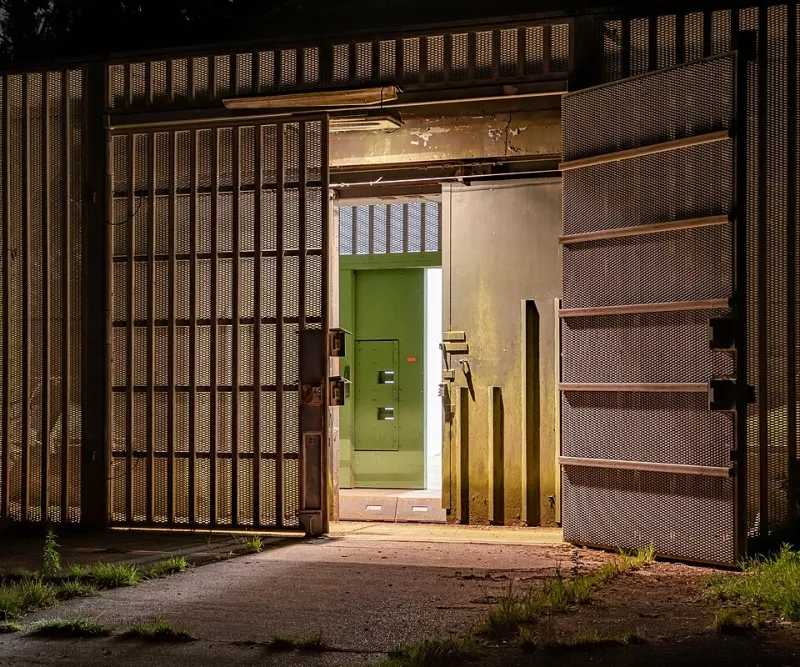
Photo: Dietmar Rabich, CC BY-SA 4.0, via Wikimedia Commons
A photograph is not really finished when the file is exported. It is finished when somebody stands in front of it and looks. That sounds obvious, but in Manchester’s photo community the middle bit — the frame, the mount, the glazing, the hanging wire — has spent years being treated like admin. You make the work, you stick it in a frame, you put it on the wall. Next.
In 2026, that attitude is shifting. Photographers around the city are talking about presentation with the same seriousness they bring to paper choice and edit selections. Not because everyone has suddenly developed expensive taste, but because the wall is where the work either holds up or falls apart.
The bit after the export
Spend an afternoon in a framer’s workshop and you start to see how much happens in those last few inches. A print that looks punchy on a monitor can go flat behind the wrong mount. A delicate high-key image can disappear against a bright white border. A cheap frame does not just make a picture look cheaper; it changes how the eye reads the picture itself.
One framer working out of a unit in Ancoats says the conversation has changed. A few years ago, most enquiries were about getting something done quickly and cheaply. Now, more photographers arrive with questions about mount width, glazing options, and whether a frame will survive a rented flat with a damp corner. They are thinking about the object, not just the image.
That is partly economics. Print sales are a real income stream for more photographers in the city, and buyers expect something that can go straight on the wall. It is also partly pride. If you have spent weeks making a project, the frame should not be the bit you rush.
What a framer actually does
Good framing is not mysterious, but it is skilled. A bespoke frame involves measuring the image area properly, cutting a mount with a clean bevel, allowing the print to sit without buckling, and choosing glazing that suits the work and the room. Conservation-grade materials cost more, but they are doing a job: reducing acid damage, limiting UV exposure, and keeping the print from touching glass.
A common mistake is framing to the paper size rather than the image size. Another is using ordinary tape or spray adhesive to hold a print in place. A framer in Chorlton describes peeling back the backing board on old frames and finding everything from masking tape to Blu Tack. The print survives, usually, but it does not thrive.
The other big decision is proportion. Wide mounts can give a small print presence. Narrow mounts can make a big image feel tighter and more graphic. A busy photograph often benefits from breathing room; a minimalist one can carry a stronger frame. There is no universal rule, which is why framers still have jobs.
The exhibition tax
Group shows and open calls are where presentation gets political. Walk into a mixed photography exhibition in Manchester and you can often spot the difference between work framed for the show and work framed at home the night before. Mismatched frame colours, different hanging heights, and prints that sit awkwardly inside their mounts all pull attention away from the photographs.
Curators and gallery technicians notice. Some venues specify frame finishes or hanging systems. Others leave it to the artist and quietly hope for the best. Either way, framing is a cost that photographers are increasingly factoring into the project from the start rather than discovering at the final invoice.
That does not mean every show needs matching black boxes. A deliberate mix can work. But accidental inconsistency rarely does. The frame is part of the edit. If it is fighting the picture, the picture loses.
Selling the object
For photographers selling prints, framing changes the conversation. An unframed print is a lovely thing, but it asks the buyer to do homework. A framed print is closer to furniture: it can be imagined in a hallway, above a sofa, or in a studio. That matters in a market where plenty of people are buying photography for the first time.
It also changes the price. Custom framing is not cheap. A modest A3 frame with a proper mount and decent glazing can easily cost more than the print itself. Photographers have to decide whether to absorb that, price it in, or offer framed and unframed options. The clear approach is usually the best one: explain what the buyer is getting and why the framed version costs what it costs.
The risk is overframing. A heavy, ornate frame around a quiet documentary print can feel like fancy dress. The frame should support the work, not audition for a part in it.
DIY is not a dirty word
None of this means everyone needs to go bespoke. Manchester has a healthy DIY framing culture, helped by art shops, online mount cutters, and the simple fact that standard frame sizes are everywhere. For proof prints, market stalls, and first exhibitions, a clean off-the-shelf frame with a decent pre-cut mount can do the job.
The rules are straightforward. Measure the image, not the paper. Use acid-free hinging tape if you can. Avoid hanging prints in direct sunlight. Do not press the glazing against the surface of the print. And if the work is going to a paying customer, be honest about what the frame is made of.
In a city full of rented flats and exposed brick, the wall is not always cooperative either. A framer in Salford says more customers are asking about lightweight glazing and secure hanging for older buildings. Practical questions, but they are part of the same shift: people are treating the print as something that has to live somewhere, not just exist as a file.
The last six inches
Framing is not the most glamorous part of photography. It does not get its own festival, and nobody posts a behind-the-scenes reel of a mount being cut. But it is the last editorial decision you make about a picture before the public sees it.
In Manchester, that decision is getting more thought. Photographers are asking framers better questions. Galleries are expecting a more considered finish. Buyers are looking for work that is ready to hang. The frame is still not the point — the photograph is — but the frame is how the photograph meets the room.
And in a city that takes presentation seriously, from the Northern Quarter’s gallery walls to the kitchen-table print sales of Chorlton and Didsbury, that final step is worth getting right. Measure twice. Hang once. Then leave the room and let the picture do its thing.