Meanwhile Use: The Manchester Photographers Filling Empty Shopfronts With Prints
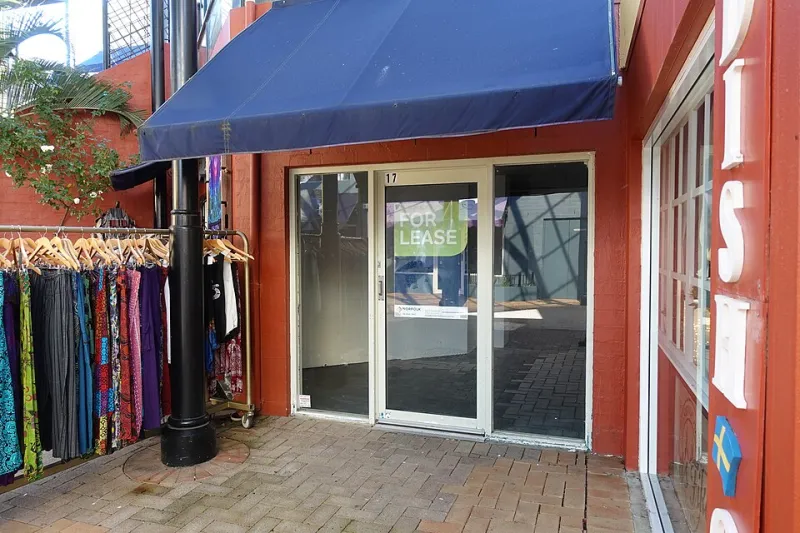
Photo: Sam Wilson (taken with Sony RX100 mk.V), CC BY-SA 4.0, via Wikimedia Commons
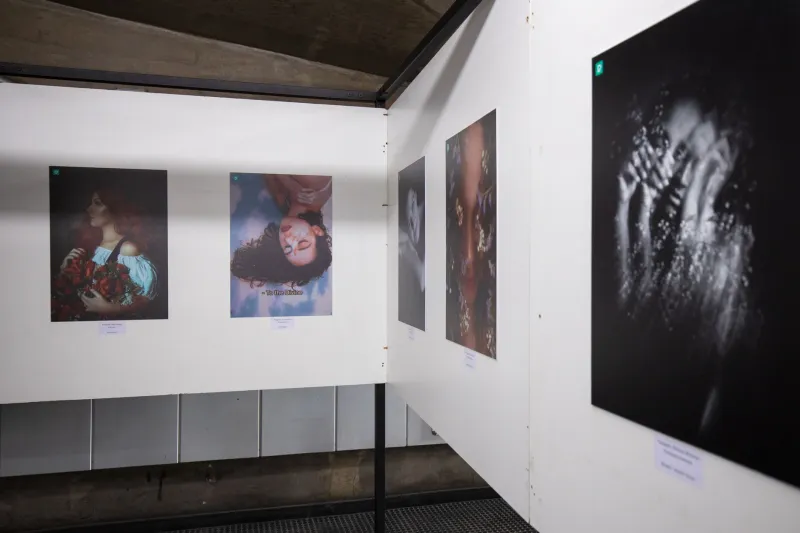
There is a particular kind of quiet in a shop that has recently closed. The shelves are gone, the carpet is marked where the displays used to stand, and the window still carries the ghost of a closing-down poster. On Oldham Street this autumn, one of those windows has been filled with a row of framed photographs instead: rain on the tram tracks, a chip shop queue at dusk, a portrait of a man who has sold newspapers on the same pitch for thirty years. The unit is between tenants. For six weeks, it is a gallery.
This is not a new idea in Manchester, but it has gathered pace in 2026. Photographers are approaching landlords and letting agents about vacant retail space, negotiating short, low-cost agreements, and using the windows as exhibition space. The appeal is obvious. A gallery show can be expensive and slightly forbidding. A shop window on a busy pavement is neither. It is open at all hours, it asks nothing of the viewer, and it puts photography in front of people who were not looking for it.
The lease is shorter than the show
The logistics are less romantic than the results. Most of these exhibitions run on what property people call meanwhile use: a temporary arrangement that keeps a unit occupied while the landlord looks for a long-term tenant. The paperwork can be minimal or maddening, depending on who owns the building. Some photographers have struck deals for a peppercorn rent plus utilities. Others have taken on a unit rent-free on the understanding that they insure it, clean it, and leave it in better condition than they found it.
Public liability insurance is usually the first hurdle. Then comes the electricity, the alarm, the fire extinguishers, and the question of who holds the keys. One organiser in Ancoats told me that the negotiation took longer than the install. The landlord wanted the window dressed within a week; the photographer wanted written permission to fix things to the walls. They met somewhere in the middle, with a lot of removable adhesive and a handshake that was later confirmed by email.
Windows are the new walls
The best of these shows are designed for the window rather than the room. That means thinking about reflection, glare, and the fact that most people will see the work from an angle, in a hurry, while traffic goes past. Prints tend to be larger than they would be in a gallery. Labels are bigger too, often with a QR code that leads to the photographer's website or a mailing list. Some organisers print a short statement directly onto the glass in vinyl lettering. Others leave the window completely clear and let the photographs do the talking.
There is a practical argument for keeping it simple. A window show is exposed to sunlight, condensation, and the occasional enthusiastic pigeon. Framing has to be robust. Glass can be a liability. One photographer in Stockport's Underbanks told me she swapped glass for acrylic after a football crowd passed through on a Saturday afternoon. The work survived. The frame did not.
Who actually walks in?
Footfall is the word that comes up in every conversation about these spaces. Councils like it because occupied units look better than boarded ones. Landlords like it because a dressed window is easier to let. Photographers like it because a busy street is a free private view. But the audience is different from a gallery audience. People stop because they are waiting for a bus, or because a colour caught their eye, or because a child pointed at something in a print. They do not necessarily know they are at an exhibition.
That is the point. A pop-up window show can reach people who would never cross the threshold of a commercial gallery. It can also build a local following. Several photographers I spoke to said the most useful outcome was not sales but sign-ups: people scanning a code, joining a newsletter, or asking when the next show is. One group in Levenshulme has started a rotating window programme with four photographers, each taking a fortnight. They share the cost of insurance and cleaning, and they split the install days. It is not glamorous. It is working.
The cost of looking free
None of this is free, even when the rent is. Prints, frames, insurance, vinyl, lighting, and time all add up. Some photographers apply for small grants or use crowdfunding. Others treat it as a marketing cost and budget accordingly. The risk is that the temporary model becomes expected: landlords get a free shopfront display, and photographers absorb the costs in the name of exposure. That is a conversation the community is still having.
For now, though, the empty shop window remains one of the most democratic exhibition spaces in the city. It does not require a membership, a press pass, or a ticket. It just requires a photographer willing to negotiate a short lease, a landlord willing to say yes, and a passer-by willing to stop for a second longer than usual. When the next tenant gets the keys, the prints come down. But the audience may well follow.
If you are thinking of doing one, start with the unit, not the show. Ask about access, insurance, and what happens if the building is sold. Then design for the glass. And leave the window cleaner's number somewhere you can find it.