Seven Manchester Rooms Where Photography Isn’t the Warm-Up Act
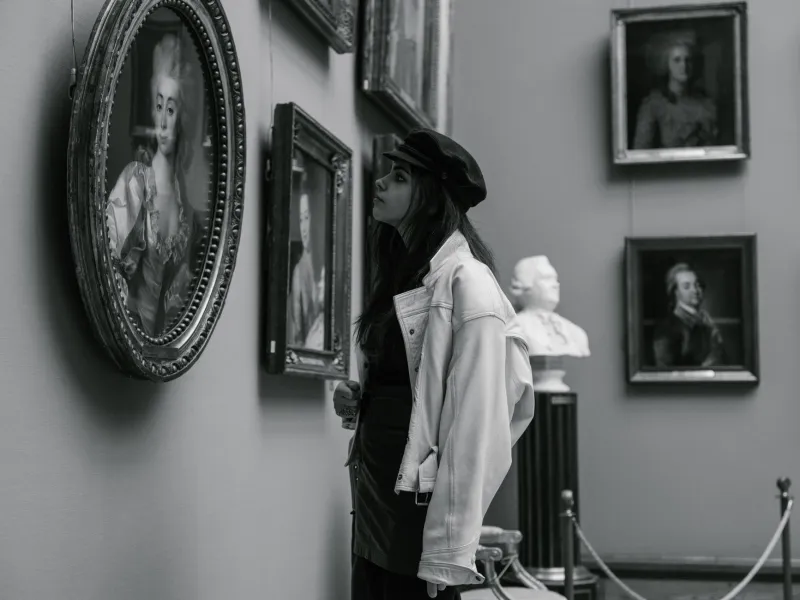
There’s a particular disappointment that comes from walking into a gallery, seeing a photography show advertised, and finding it tucked into a corridor between a painting survey and a ceramics display. Photography isn’t a garnish. In 2026, Manchester has a decent spread of rooms that understand this — places where lens-based work gets the wall space, the wall text and the breathing room it deserves.
This isn’t a ranking. It’s a route map. Some of these venues are established institutions with climate control and excellent cafés; others are artist-led spaces where the private view is in a stairwell and the hanging is done by whoever brought the drill. Both matter. A healthy photography scene needs the big rooms and the scrappy ones, and a camera-minded weekend in the city is better when you mix them.
1. The Whitworth, Oxford Road
The Whitworth is the obvious starting point, and obvious isn’t always bad. The University of Manchester gallery has a long relationship with photography, from historical prints to contemporary commissions, and it tends to treat lens-based work as part of the collection rather than a temporary visitor. The building itself is worth the trip — the park-side glass, the café, the fact you can pop in for forty minutes and leave feeling like you’ve been somewhere.
For photographers, it’s a useful reminder that pictures have histories. You can look at a contemporary show and then wander into a room of older material and see the same arguments about framing, labour and representation playing out across decades. Visiting notes: it’s free, it’s on the 142 and 43 bus routes, and it’s a sensible first stop before heading into town. Check opening times before you travel, especially around university term dates.
2. Manchester Art Gallery, Mosley Street
Manchester Art Gallery is not a photography-only venue, but it’s increasingly good at letting photography hold its own. The collection displays often put photographs in conversation with painting and sculpture, which can be illuminating or frustrating depending on the hang. When a temporary photography show lands, though, the central rooms give it proper presence — and the free entry makes it easy to revisit.
What it does well is context. You’re in a civic gallery, not a white cube, and that changes how pictures read. A portrait carries a different weight when there’s a Pre-Raphaelite around the corner. Practical notes: it’s slap-bang in the middle of town, useful for a lunchtime fix, and close enough to the Northern Quarter that you can combine it with a camera-shop browse. Check the website for room closures; big buildings shuffle their displays.
3. HOME, First Street
HOME is a mixed-arts building — cinema, theatre, visual art — and photography often arrives through group shows, commissions and moving-image work. That’s not a criticism. Some of the most interesting photographic work in Manchester happens when it’s forced to share a room with film and performance, and HOME’s galleries are good at that kind of cross-pollination.
For emerging photographers, HOME is worth watching because it programmes work that sits between disciplines. If you’re building a project that uses stills, text and video, this is the kind of space where that doesn’t feel like a compromise. Visiting notes: the galleries are free, the café is reliable, and it’s a short walk from Oxford Road station. A good evening stop if you’re seeing a film afterwards.
4. Castlefield Gallery, Castlefield
Castlefield Gallery is one of the city’s better independent spaces for emerging and mid-career artists, and photography regularly appears in its programme without being pigeonholed. The rooms are modest, which is part of the point: you get close to the work, and shows often feel like arguments rather than surveys.
What it does for photographers is give them a serious context outside the commercial-gallery circuit. The gallery has a long record of supporting North West artists, and its openings are a decent place to meet people who actually make things. Practical notes: it’s near the canals, it’s free, and it’s worth checking opening hours — independent spaces don’t always run daily. Combine it with a walk along the water and a pint.
5. The Lowry, Salford Quays
The Lowry is a big, busy building, and photography can sometimes feel like one strand among many. But when a touring photography show lands in its galleries, the scale works in its favour: proper wall space, good lighting and an audience that isn’t only made up of other photographers. That matters. Photography needs civilians.
It’s also a useful reminder that “Manchester” photography often means Greater Manchester. Salford Quays is a Metrolink ride away, and the walk between the gallery, the water and the bridge gives you a decent photo walk in its own right. Visiting notes: check what’s on before you go — the programme shifts between photography, painting and design — and allow time for the building’s other distractions.
6. Paradise Works, Salford
Paradise Works is an artist-led studios and project space, and it’s the kind of place where photography shows happen because someone decided they should. The programme is uneven in the way all good artist-led programmes are uneven: you might catch a tightly hung exhibition of new work, or a one-night event with a projector and a wonky extension lead. Both are part of the ecology.
For photographers, this is where you see work by people who are still figuring it out in public. That’s not a slight. It’s often more alive than a museum survey. Practical notes: don’t turn up expecting daily opening hours. Check listings, follow the space on social media, and go to an opening if you can — that’s when the room is at its most useful.
7. Bankley Gallery, Levenshulme
Bankley Gallery is another artist-led space, tucked into Levenshulme and run with the kind of energy that makes Manchester’s outer neighbourhoods interesting. It hosts exhibitions, open calls and community-minded projects, and photography turns up regularly in group shows and solo presentations. The scale is small; the ambition isn’t.
What it does for photographers is give them a first or second show without the pressure of a commercial gallery. That’s a vital rung on the ladder. Visiting notes: check opening weekends and event times before travelling — it’s not a drop-in city-centre venue — and make a morning of it. Levenshulme has good cafés and a train station, so you can be back in town quickly.
Making a day of it
If you’ve got one Saturday, start at the Whitworth, walk or bus into town for Manchester Art Gallery, then finish at HOME or Castlefield. If you’ve got a Sunday, head to Salford Quays for The Lowry and then check whether Paradise Works has an event on. The artist-led spaces reward a bit of planning; the institutions reward a spare hour.
The bigger point is simple: photography in Manchester doesn’t need to be ghettoised into one room. It needs galleries that programme it with conviction, viewers who turn up, and photographers who treat looking as part of the job. These seven are doing their bit. The rest is up to us.