Thirty-Six Frames, No Safety Net: Inside Manchester’s Single-Roll Photo Challenges
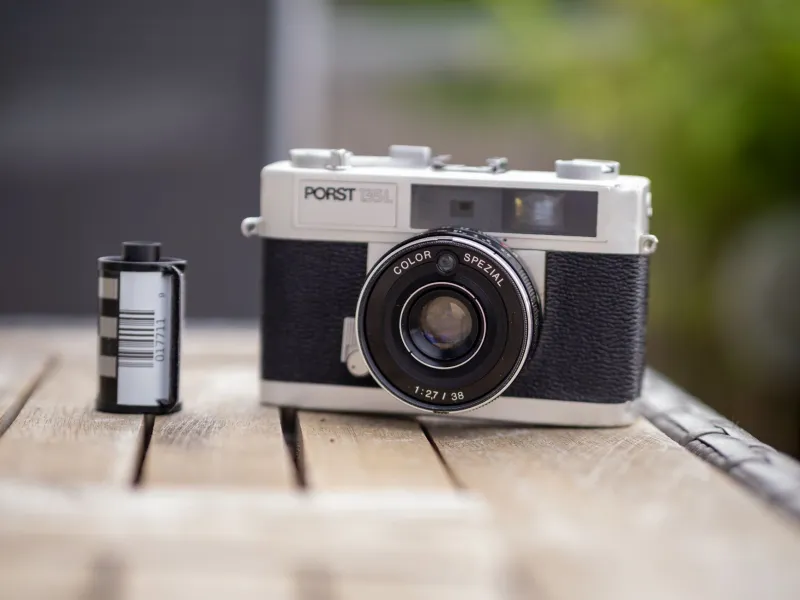
A single roll of 35mm film gives you thirty-six frames. Not thirty-six good frames. Thirty-six attempts. That is the deal. And across Manchester, Salford and the surrounding towns, a growing number of photography groups are using that limit as the whole point.
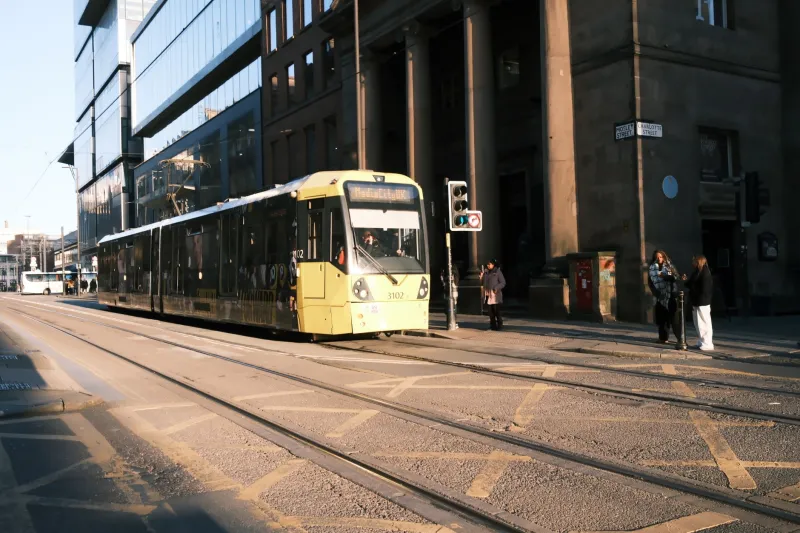
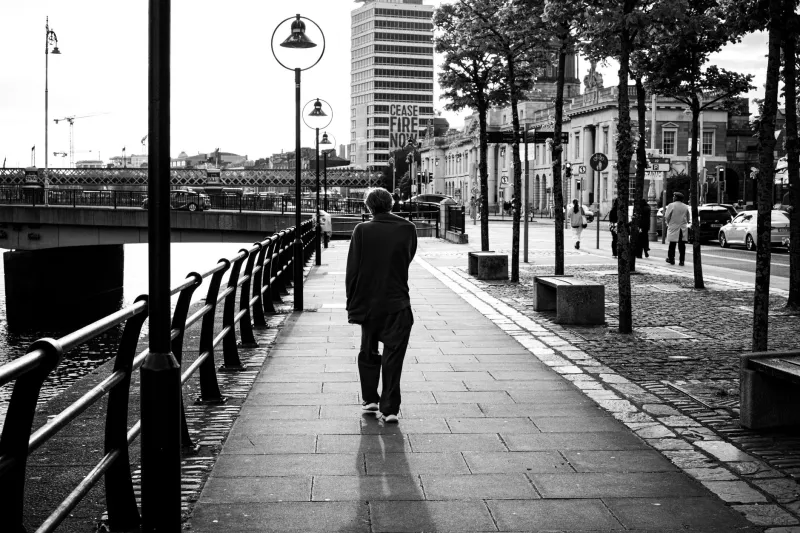
The briefs vary. One challenge might ask for Salford streets between Chapel Street and the Quays. Another might send you along the Ashton Canal from Ancoats towards Ashton-under-Lyne. Someone else will pick a theme broad enough to be welcoming and narrow enough to be useful: doors, shadows, people at work, the walk home, water, blue. You get a deadline, a roll of film and a rule that you cannot keep shooting until you get something better. You have to commit.
That is the appeal. When you cannot spray and pray, you start looking properly.
How a one-roll challenge actually works
The format is usually simple, though the details matter. You shoot one roll — normally 35mm, sometimes 120 if the group is feeling generous — on a set route, theme or time window. Some challenges insist on one camera and one lens. Others allow any gear as long as it is film. Most ask you to submit a contact sheet or scans of the whole roll, plus a small selection of final images. Some ask for captions. A few run a group walk so everyone shoots on the same day and the weather becomes part of the story.
There is often a small entry fee to cover developing and scanning, or participants arrange their own processing and send files in. The best-organised challenges are clear about the boring stuff: deadline, file size, whether cropping is allowed, whether you can use a flash, whether the route is a suggestion or a rule. If you are new to this, read the rules twice. Half the disappointment in these things comes from someone submitting a beautiful set of pictures that technically broke the brief.
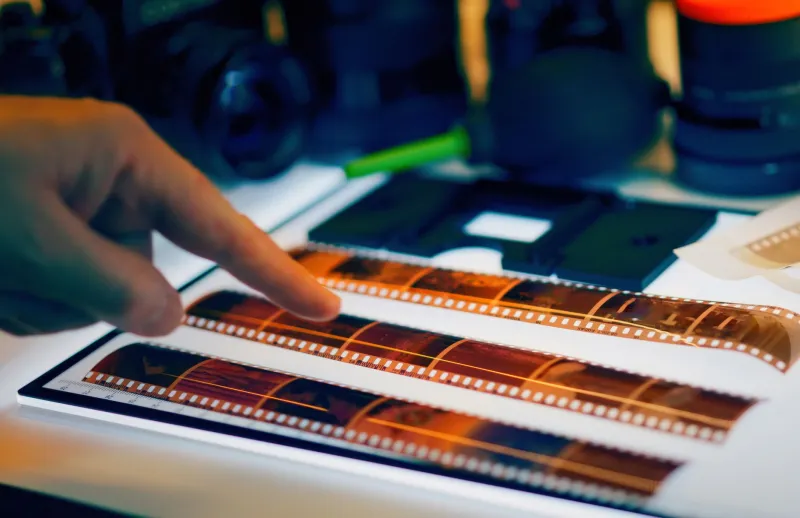
The contact sheet is the heart of it. It shows how you think, not just what you got. Judges can see whether you were exploring or repeating yourself, whether you were brave or just lucky, whether you edited with intent. It is a surprisingly honest document.
What organisers and judges look for
You might assume the winner is the person with the sharpest lens and the most dramatic sunset. Usually it is not. Judges tend to look for a point of view. A coherent set of six images that says something about a place will often beat a random pile of technically perfect postcards.
They look for consistency: does the set feel like one photographer’s walk, or a sampler? They look for editing discipline: can you leave out the nearly-good frame? They look for sequence: does the order create a rhythm or a small story? They look for local knowledge: did you notice the chip shop queue, the bus shelter, the canal lock, the half-finished building, the light on a gable end? They look for captions that add something rather than explain the obvious.
Technical quality matters, but not in the way beginners often think. A slightly soft frame with the right moment can be more persuasive than a perfectly exposed picture of nothing much. Grain, contrast and colour are part of the language. Judges are not looking for a phone-style HDR finish. They are looking for a photographer who understood the film they were using and the place they were in.
Joining a 2026 challenge
The easiest way in is to ask. Local camera shops often know who is running what, and noticeboards in libraries and community centres still do useful work. Photography groups advertise on social media and through newsletters, but a surprising number of challenges spread by word of mouth. If you see a call for entries, check whether it is open to beginners. Most are. The atmosphere is usually more supportive than competitive, even when there are prizes.
Before you shoot, do three things. First, confirm the rules and the deadline. Second, decide how you will process and scan the film, because a missed lab turnaround can scupper a good set. Third, pick a lens and stick to it. A 35mm or 50mm prime is plenty. A zoom is fine too, but the constraint is supposed to help you, not give you more decisions.
Then walk. Give yourself a route, not a shot list. If the brief is the Ashton Canal, start at one end and finish at the other. If it is Salford streets, pick a few blocks and go back at a different time of day. Shoot the first few frames badly and get them out of the way. Save room for the walk back. Some of the best frames in these challenges happen when the photographer has stopped trying to complete the assignment and started noticing what is actually there.
Why constraints are thriving
Single-roll challenges sit neatly alongside Manchester’s wider analogue revival. They are slow, social and a bit unpredictable. They produce contact sheets, zines and exhibition prints. They give people a reason to walk through parts of the city they might otherwise pass through on a bus. And they push back against the endless scroll of digital photography, where a thousand frames can somehow add up to no clear point of view.
The thirty-six-frame limit is not a gimmick. It is a editing tool you carry in your pocket. By the time you reach frame 37, you have made a small body of work whether you meant to or not. That is the quiet thrill of the format. The city gives you the material. The roll gives you the discipline. The challenge gives you a reason to leave the house.