Submitted for Approval: What Manchester's Open-Call Photo Shows Actually Want
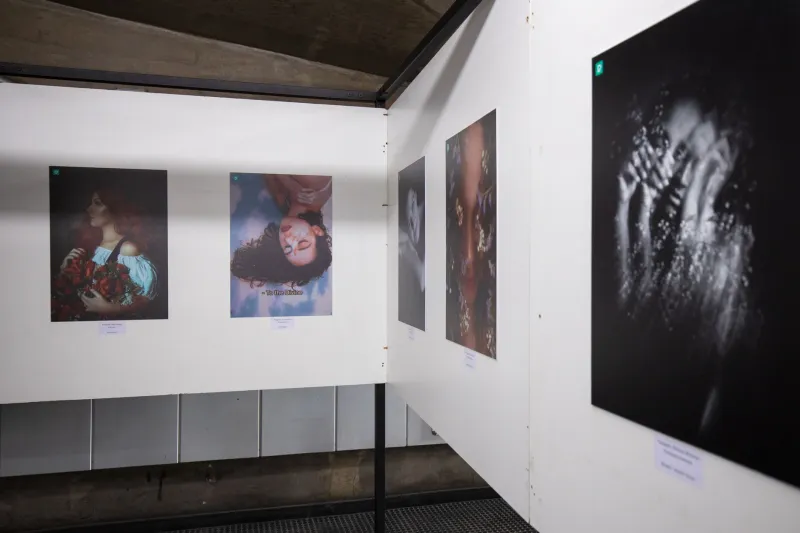
It is a familiar autumn ritual in Manchester's visual arts calendar. By November 2026, the city's open-call listings have already filled several inboxes: group shows in Northern Quarter project spaces, a photography prize tied to a Salford arts centre, a window exhibition in Ancoats, a themed show in a Castlefield gallery. The promise is simple. Send some pictures, pay a small fee, wait. The reality is messier, more human and, for photographers trying to get work on a wall, more useful to understand.
The inbox is not a gallery
Most open calls begin with a form and end with a spreadsheet. Between those two points sits a selection panel, usually made up of a curator, a gallery director and one or two invited artists or writers. They might have an afternoon. They might have three evenings after work. They are not reading every artist statement as literature, but they are looking for a reason to keep looking.
One curator at a Northern Quarter gallery, who asked not to be named because the next call is still open, says the biggest misconception is that a strong single image will carry a weak set. 'We are not judging a folio of greatest hits,' she says. 'We are asking whether the pictures can hold a room together. Can they talk to each other? Is there a point of view?'
That is why sequencing matters before the work even reaches the wall. A submission that opens with the loudest frame and then flatlines is harder to select than a quieter edit that builds. Jurors notice repetition, too. Five versions of the same bus stop might show commitment, but they might also show a photographer who has not edited yet.
What jurors actually argue about
In practice, selection meetings tend to circle around three things: coherence, technical consistency and whether the work fits the brief. The brief is not decoration. If a show asks for images about public transport in Greater Manchester, a brilliant series shot in Lisbon is probably not going to make it, however good it is. If the call asks for ten images, send ten. If it asks for a project description of 150 words, do not send 600.
Technical consistency does not mean every print has to look the same. It means the files should be supplied correctly, the colour should be manageable, the captions should be accurate and the sizes should be possible to hang. A surprising number of submissions fail at this practical stage. Curators are not being precious. They are trying to install a show in a room with fixed walls, limited hanging space and a deadline.
There is also the question of who the panel already knows. Open calls widen the field, but they do not erase the advantages of being visible: going to openings, being on mailing lists, having a website that loads, answering emails. 'It is not a closed shop,' says one exhibited photographer who has shown in two Manchester open calls since 2023. 'But it is a relationship game as much as a merit game. The people who get selected often know how to present work professionally, and they turn up.'
The framing question
Getting selected is not the end of the cost. Many open calls specify framed or unframed work, print sales, commission rates and delivery dates. Framing can easily add £100 or more per piece. Some venues offer shared framing, a print partner or a hanging system that keeps costs down. Others do not. Ask before you enter, not after you are accepted.
This is where access gets real. A £15 submission fee is one thing. A £300 framing bill and three trips to a gallery across the city are another. Some Manchester spaces now offer fee waivers, small artist stipends or free printing for selected artists. If a fee is a barrier, ask. If a gallery says no, that tells you something too.
Who gets the wall
Open calls are often presented as a levelling exercise, and they can be. But the wall still favours people with time, transport, childcare, workspace and the confidence to email a stranger. Photographers outside the city centre can find it harder to attend install days or invigilation shifts. Early-career artists may not know that a rejection is sometimes about wall space rather than the work itself.
The most useful open calls are transparent about this. They publish selection criteria, name the panel, explain fees and say what happens to unsuccessful submissions. They also show the show. A gallery that posts installation shots and credits every artist is building trust for the next call. A gallery that goes quiet after the opening is not.
How to improve your submission
Read the brief twice. Make a tight edit. Sequence the images as you would hang them. Write a plain artist statement that says what the work is and why it looks the way it does. Check file sizes, colour profiles and captions. Budget for the post-acceptance costs before you enter. Ask about waivers, framing support and commission. Visit the gallery if you can. Go to the opening if you are selected. And if you are rejected, ask for feedback politely, once.
The open call is not a lottery, but it is not a pure meritocracy either. It is a negotiation between a room, a budget, a panel and a set of pictures. The photographers who get on the wall are not always the best in the city. They are often the ones who made the selection easy.