Fingertips First: Manchester's Photo Shows Are Being Built to Be Felt
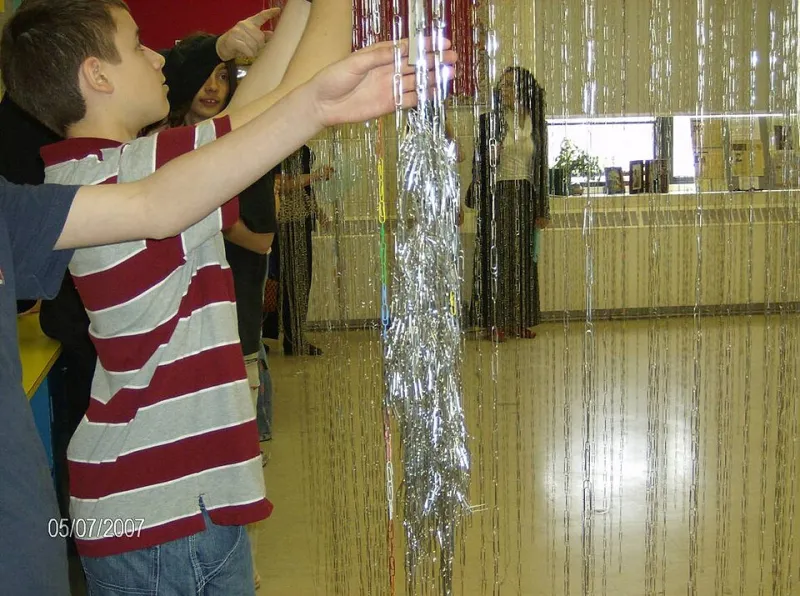
Photo: Jengukine, CC BY-SA 3.0, via Wikimedia Commons
Walk into almost any photography exhibition and the first instruction is implied rather than printed. Hands behind your back. Keep your distance. Look, don't linger too long, and whatever you do, don't touch the print. It's a habit so deeply baked into gallery-going that most of us don't notice we're doing it.
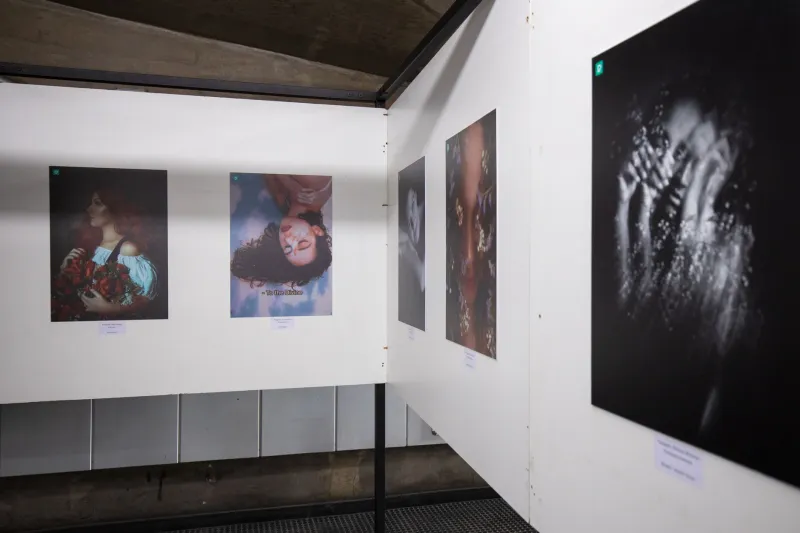
A handful of shows around Greater Manchester have started pulling in the other direction. Not loudly — there's no riot going on — but steadily, room by room, with raised-ink prints, thermoform sheets and hand-sized relief versions of images that were previously only available to your eyes.
The show that starts at the door, not at the frame
The most useful changes usually happen before anyone hangs a thing. At a recent photographic display in a shared studio building in Salford, visitors were handed a short printed guide at the entrance: twelve lines of description, large type, generous spacing, a floor plan with the route marked. Nothing fancy. It cost less than a decent lens cap and it changed how the whole room read.
Access work in photography has an awkward starting point, because the medium's whole party trick is flatness. A photograph is a surface, and a surface is exactly what a tactile approach struggles with. The answer isn't to pretend the print is something it isn't — it's to build a second version of the image that carries the same information through a different channel.
That might mean a thermoform copy: a plastic sheet vacuum-formed over a master mould, so the main shapes of a picture sit up under your fingers. It might mean a UV flatbed print, where varnish is laid down in layers to give texture to an image that otherwise sits dead flat. It might mean a simple fabric swatch, a lump of brick, a coil of cable — objects from the scene that say something the caption can't.
What a photograph becomes when it isn't only a picture
One of the more interesting results of this work is how much it forces curators to actually describe what they're showing. You can't make a tactile version of an image until you've decided which three things in it matter. Ask a photographer what their picture is about and you'll often get a shrug and a mood. Ask them which shapes a blind visitor should meet first and the answer sharpens considerably.
Audio description does similar work in the ear. The good stuff — the kind produced with VocalEyes or by practitioners trained in the form — isn't a curator's wall text read aloud. It's a different piece of writing entirely: spatial, sequential, present tense, and honest about the frame. 'A low sun sits behind a row of terraced roofs on the left of the image; the street below is in shadow' tells you something a caption never would.
Descriptions run best somewhere between twenty and forty words per image, recorded clean, with a minute of silence at the top so nobody's scrabbling for the play button. Cheap to make with a phone and a quiet room. Much cheaper than most people assume, and far more useful than a QR code that leads to a PDF.
Relaxed hours are quietly doing the heavy lifting
Alongside the tactile work, the other shift is in timing. Low-sensory or relaxed viewing sessions — lights a little softer, no video with sound, a known quiet corner, seating at intervals, capacity capped — have become almost standard at the larger Manchester venues and are starting to show up in studio shows and pop-ups too.
What's telling is who uses them. Yes, they serve autistic visitors, people with sensory processing differences and anyone who finds a busy private view genuinely grim. But they also pull in parents with small kids, shift workers who can't do a Thursday evening, and the substantial number of photographers who would rather look at pictures without a glass of warm white in their hand.
Universally, the venues that run them report the same thing: the quiet hour is not the empty hour. It's just a different crowd.
The practical bits nobody puts in the funding bid
Here's the unglamorous truth about tactile exhibitions: the budget is in the production and the cleaning.
Raised-ink prints scuff. Thermoform sheets warp if they're stacked. Anything meant to be handled needs to be handled by a lot of people, which means wipe-clean surfaces, spare copies, and someone whose job on a Saturday is to check the relief prints haven't been folded in half by an enthusiastic eight-year-old. Build in a replacement budget of about a fifth again on top of your handling stock and you won't be caught out.
It's also worth knowing where the expectations sit legally. Under the Equality Act 2010, reasonable adjustments apply to exhibitions as much as to anything else, and Arts Council England project grants will expect to see access costs as a line item rather than a footnote. Manchester City Council's cultural grants and the GMCA's creative funds have both been receptive to access-led proposals in recent rounds — the work is easier to fund when it's designed in rather than bolted on.
A short checklist before you hang anything
- Decide, per image, what three things a visitor must understand. That's your description and your relief print, both.
- Write captions in plain English. Twenty to forty words. No 'interrogating the liminal'.
- Commission audio description from someone trained in it, or at least read your script aloud to a stranger before you record.
- Book one relaxed session at a quieter time and cap numbers. Advertise it as relaxed, not as 'access'.
- Offer a touch tour, led, with gloves and a clear invitation. Unsupervised touching sounds inclusive and usually isn't.
- Print large-print guides at 18pt minimum, high contrast, matte paper so it doesn't glare under gallery lighting.
- Put a seat in every room. Every single one.
- Tell people in advance what to expect: sound levels, lighting, crowd size, route, toilets, where to sit down.
What actually changes
There's a version of this article that ends with a neat line about photography being for everyone. True, but a bit easy. The more interesting thing is what happens to the pictures themselves.
Photographers who've sat through a touch tour of their own work tend to come away slightly rearranged. You learn which parts of your image people reach for first. You find out that the thing you thought was the subject is not the thing anyone's fingers go to. You discover that a picture you've been showing for years has, in fact, been doing three jobs at once, and only one of them needed a lens.
That's not a compromise. That's just better looking — with your hands, your ears, and a bit more patience than the private view allows.