Bench Press: Manchester’s Camera Repairers Are Giving Dead Gear a Second Act
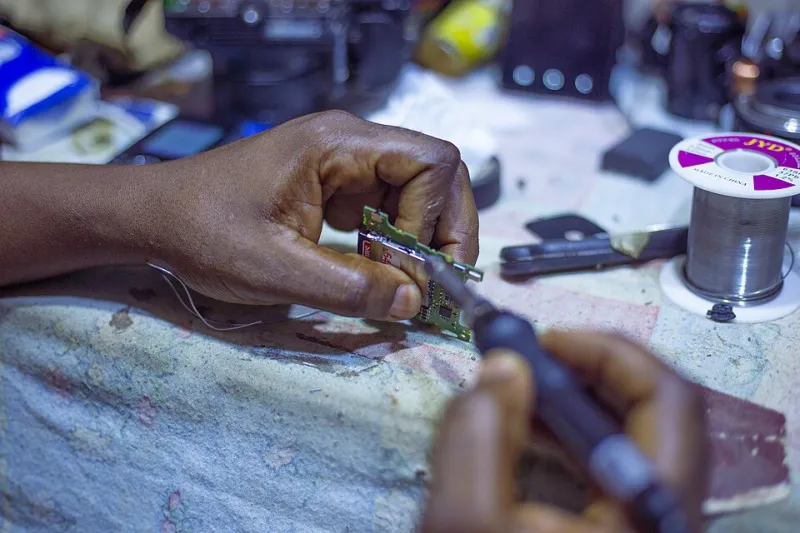
Photo: Amuzujoe, CC BY-SA 4.0, via Wikimedia Commons
On a damp Tuesday in Ancoats, a photographer slides a scuffed prime lens across a repair bench like it’s a patient being handed to a surgeon. The focus ring is stiff, the aperture blades are lazy, and there’s a faint rattle that sounds expensive. The repairer peers through it, turns it over, and says the words every camera owner wants to hear: “It’s not dead yet.”
That scene is playing out more often across Greater Manchester in 2026. Camera repair isn’t just surviving the shift to mirrorless and phone photography — it’s quietly picking up pace. The benches are full, the queues are longer, and the stories behind the gear are as varied as the faults.
The bench is the new shopfront
For years, the obvious move for a broken camera was to replace it. A failed shutter, a scratched sensor, a lens with fungus — bin it, buy another, keep the cycle moving. But in 2026, the maths has changed. New gear is expensive, second-hand prices are unpredictable, and a lot of photographers have realised that the camera they already own is worth more than its resale value suggests.
Manchester’s repair specialists sit in an odd but useful spot. They’re not always on the high street, and they don’t all have shiny windows. Some work from small units in Salford or Stockport. Others operate out of the back of camera shops, or by appointment in the Northern Quarter. But they share a common language: parts availability, shutter counts, circuit boards, light seals, and the eternal question of whether a repair will cost more than the thing is worth.
“People are bringing in gear they’d have binned five years ago,” one repairer tells me, while carefully lifting a mirror box out of an old SLR. “A lot of it is sentimental. Dad’s camera. A first proper lens. A body they shot their first gigs on. But a lot of it is just common sense. If you can fix it for a reasonable amount, why wouldn’t you?”
Why repair is having a moment in 2026
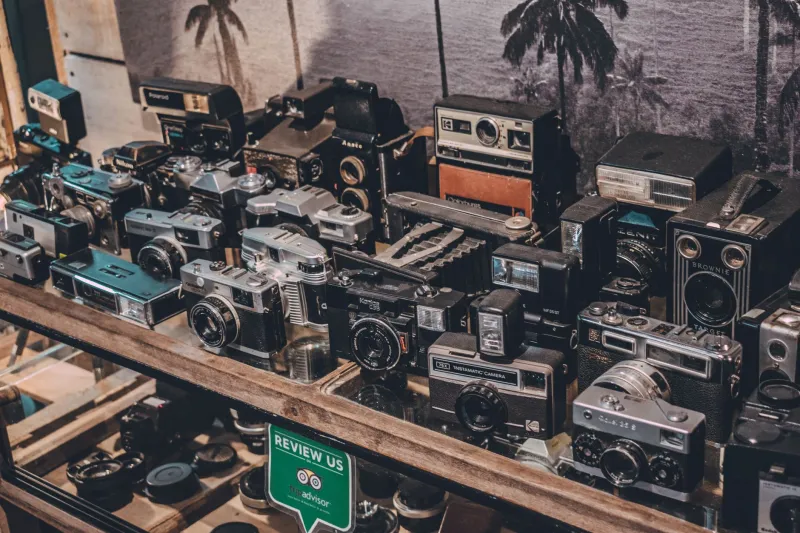
There are a few forces pushing the repair bench back into view. The analogue revival is one. Film cameras are mechanical, repairable, and increasingly desirable, which means the people who service them are in demand. A 1970s rangefinder with a sticky shutter isn’t a museum piece — it’s a working tool for someone shooting 35mm in 2026.
Then there’s the cost-of-living squeeze. A professional lens service can feel like a luxury until you compare it with the price of a replacement. Photographers are also getting savvier about the second-hand market. A “mint” body online might arrive with a dodgy sensor or a shutter that sounds like a bag of spanners. A repair quote is often the difference between a bargain and a bad decision.
And there’s the right-to-repair mood. People are less willing to accept sealed units and disposable electronics. They want to know if a part can be replaced, if a battery can be swapped, if a camera can be kept alive rather than sent to a drawer. Repairers aren’t miracle workers, but they’re often the only people willing to open the thing up and have a proper look.
What to ask before you hand over your gear
A good repair bench will tell you what it can and can’t do before you commit. Here’s a practical checklist for anyone in Manchester thinking about a fix.
Ask for a diagnosis, not just a price. “Can you fix it?” is less useful than “What’s actually wrong with it?” A proper diagnosis should explain the fault in plain English and flag anything else that might need attention.
Check parts availability first. Some older cameras have plenty of donor bodies around. Others don’t. If a repairer has to hunt for a rare circuit board, the cost and timescale can climb quickly. Ask whether the part is new, used, or salvaged.
Get the quote in writing. This is basic, but it matters. Ask what’s included, what isn’t, and whether the price could change once the camera is open. A repair that starts at one figure and ends at another is a classic source of bad feeling.
Talk about sentimental value. If the camera belonged to a parent or a grandparent, say so. A repairer might treat a cosmetic scuff differently from a mechanical fault, and they might advise you on what’s worth preserving. There’s no shame in fixing something for reasons that aren’t purely financial.
Ask about warranty and testing. A good bench will test the repair before handing it back. For film cameras, that might mean checking shutter speeds across the range. For digital gear, it might mean a test card and a few frames. Ask what happens if the fault returns.
Back up your files before you hand over a digital body. This should go without saying, but it doesn’t. Remove cards, back up images, and note any settings you care about. Repairers aren’t data recovery services, and you don’t want to find out the hard way.
When not to fix it
Repair culture isn’t about saving everything. Some faults are genuinely terminal, and some repairs cost more than the gear is worth. A cheap point-and-shoot with a failed circuit board might not justify the labour. A modern camera with water damage can be a money pit. A lens with severe fungus might be better used as a paperweight than a project.
The trick is to be honest about why you’re fixing it. If it’s a tool you use, the maths is straightforward. If it’s an object with history, the maths is different. Either way, a good repairer will help you weigh it up rather than pushing you towards the most expensive option.
The sentimental economy
Back on the bench in Ancoats, the scuffed prime lens is coming apart in neat little rows. The repairer has found the problem — a dried-up helicoid, not a disaster — and the owner is already talking about the rolls they’ll shoot with it. It’s a small victory, but it’s the kind that keeps Manchester’s repair benches busy.
In a city with no shortage of camera shops and photo walks, the repair bench is a quieter part of the scene. It’s where gear gets a second act, where old cameras stay in circulation, and where photographers learn that “broken” is sometimes just another word for “not looked at properly yet”.
If you’re in Greater Manchester and you’ve got a lens that won’t focus or a body that won’t fire, it’s worth asking around before you write it off. The repair culture here is small, skilled and stubborn in the best way. And in 2026, that’s exactly what a lot of us need.