Counter Culture: The Greater Manchester Camera Shops Building a Scene, Not Just Selling Gear
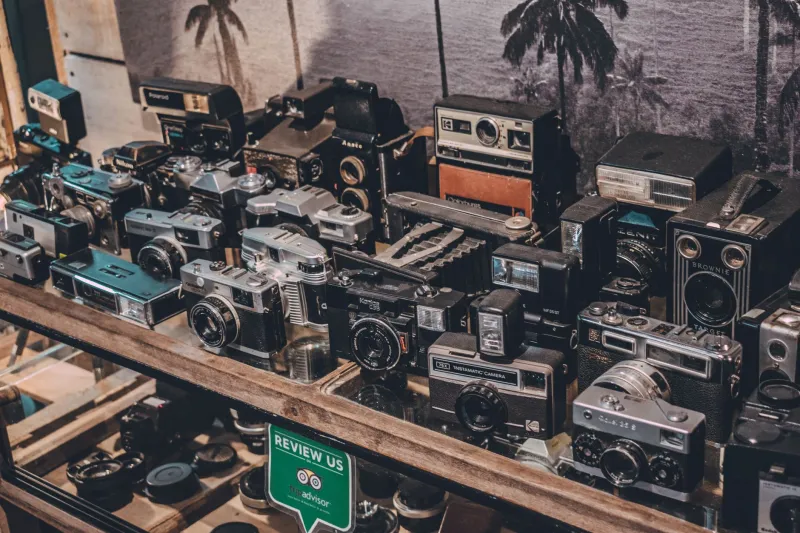
Walk into a certain kind of camera shop and you can still find the classic scene: a glass counter, a row of strap boxes, a polite silence, and somebody behind the till who knows exactly why your autofocus is hunting. But across Greater Manchester in 2026, that counter is doing more than completing a sale. It is becoming a place to ask questions, compare bodies, book a repair, join a walk or find out why a roll of film came back blank.
The independent camera shop is not dead. It is being reworked. Rising gear prices, a stubbornly lively film scene and a new generation of photographers who want to learn in person are pushing shops to act less like showrooms and more like community hubs.
The shop floor is changing
The economics are not mysterious. New camera bodies and lenses have become serious purchases, and many photographers are holding on to gear for longer. That has made the second-hand market more important, and it has made trust more valuable. A shop that can honestly say what a used lens is worth, or whether a repair is sensible, is offering something an algorithm cannot.
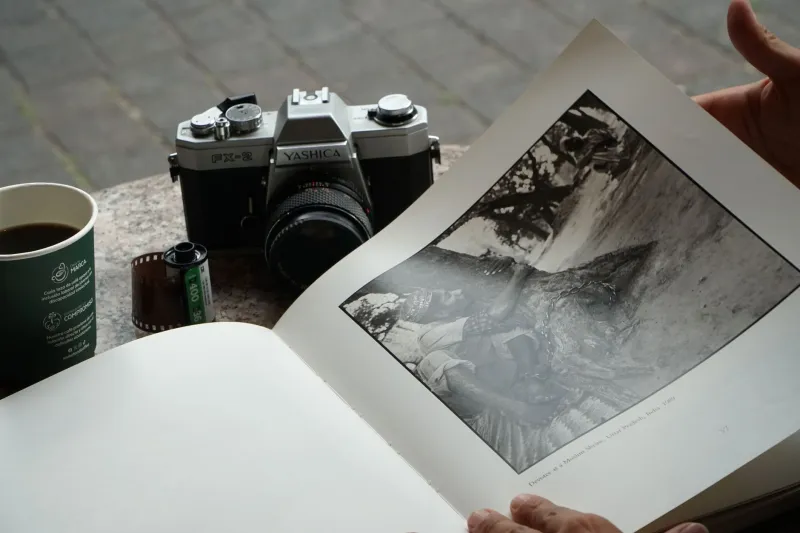
Film has helped too. The revival is no longer a novelty story. In 2026, shops are dealing with a steady stream of students, returning hobbyists and wedding photographers who want a bit of grain in the mix. That means film sales, processing drop-offs, scanner questions and the occasional customer who has found a camera in a loft and wants to know if it is worth saving.
The result is a shop floor with a different atmosphere. People linger. They bring in prints. They ask what went wrong. The counter becomes a diagnostic desk, a noticeboard and a conversation in one.
Repair counters and rental desks
Repair is one of the clearest signs of the shift. A functioning repair counter keeps gear in circulation and gives photographers a reason to come back. A sensor clean, a lens service, a light seal replacement: these are not glamorous services, but they are the kind of practical support that builds loyalty.
Rental desks are doing similar work. For anyone considering a big lens purchase, a weekend rental is a sensible test. For students or freelancers who need a specific body for a job, it is a way to access gear without taking on debt. And for the shop, every rental is a conversation about what the photographer is actually trying to make.
One shop owner in Greater Manchester describes the rental shelf as a handshake. It is not just inventory. It is a way of saying: try it, see if it fits, come back and tell us what you thought. That is a very different relationship from a checkout page.
Walks, workshops and the social side
Workshop programming has become a quiet engine of the local scene. Introductory darkroom sessions, film-loading demos, lighting basics, street-photography walks and printing evenings are appearing on shop calendars alongside the usual product promotions. Some are free. Some are paid. The best ones are small enough that people actually talk to each other.
Photo walks are particularly well suited to Greater Manchester. A route from the Northern Quarter through Ancoats, or a weekend wander around Stockport’s Underbanks, gives people a reason to shoot together without the pressure of a formal class. The weather does what it does. The point is not a perfect portfolio; it is getting out with a camera and other people.
There is also a practical benefit for shops. A walk or workshop brings footfall through the door, but it also creates a feedback loop. Someone buys film, shoots it, comes back for processing, asks about a lens, books a rental, then turns up to the next walk. Community is not a marketing slogan here. It is a survival strategy.
The economics of community
That said, community programming is not a magic fix. Staff time is limited, and a workshop can be a lot of work for a modest return. The shops making it work tend to be clear about the balance: events support the core business rather than replace it. Used gear, repairs, film sales, printing, rentals and accessories still pay the bills.
The more interesting shift is in how shops present themselves. A camera shop in 2026 cannot just be a room full of stock. It has to explain why it exists. For independents, that means leaning into expertise, honesty and the social side of photography. It means knowing the difference between a customer who wants a recommendation and one who wants to be left alone. It also means accepting that some people will come in for a chat and buy nothing. That is part of the deal.
What it means for photographers
For local photographers, the message is straightforward: use the shops while they are here. Ask questions. Rent before you buy. Repair rather than replace when it makes sense. Go on the walk, even if you feel a bit awkward. Buy the film from the counter rather than the supermarket. These small decisions help keep a local ecosystem alive.
It also means being realistic. Not every shop can be everything to everyone. Some will be stronger on film, others on digital, repairs or rentals. The good ones will be honest about what they do well. The best ones will point you towards the right person if they cannot help.
In 2026, the Greater Manchester camera shop is not just a place to buy a camera. It is a place to learn how to use one, keep one working, and meet the people who care about the same strange, expensive, rewarding hobby. That is worth protecting.