Ask First, Shoot Second: Manchester’s Nightlife Photographers Are Putting Consent in the Frame
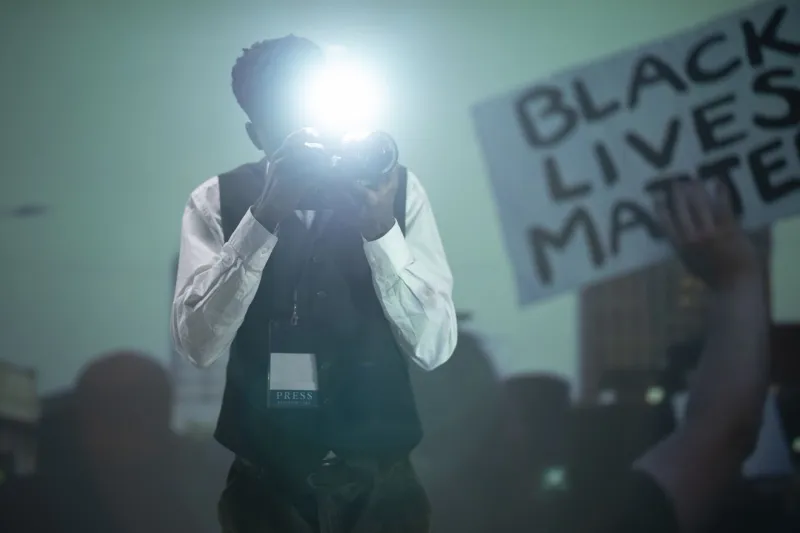
Friday, 11pm, somewhere off Oxford Road. The bass is doing its thing, the smoke machine is earning its keep, and a photographer is crouched by the side of the dancefloor with a flash in one hand and a question in the other. Not ‘can I take your picture?’ — that comes later. First: ‘Have you seen the wristband code?’
This is the new choreography of Manchester nightlife photography. In 2026, the city’s club photographers, promoters and venue teams are increasingly building consent into the night itself: coloured wristbands at the door, short briefs before the first act, clearer signage by the loos, and a simple promise that if you change your mind about a photo, it comes down.
It is not glamorous work. It is often a spreadsheet and a WhatsApp group. But it is changing the atmosphere in the room.
The wristband that changed the room
Leah, a photographer who shoots regularly at a 300-capacity venue in Salford, started using a three-colour wristband system in early 2026. Green means happy to be photographed. Red means please don’t. Amber means ask me in the moment, because the answer might depend on the song, the drink, the company or the hour.
‘Before, you’d rely on a look, a thumbs-up, a vibe,’ she says. ‘That works until it doesn’t. The wristband takes the guesswork out of a dark room where someone might not hear you and you might not see them clearly.’
At the door, staff explain the system in about fifteen seconds. There is also a QR code that links to the venue’s photo policy and an opt-out form for anyone who wants images removed after the event. Leah sends a gallery link to the promoter within 48 hours; the promoter shares it with ticket-holders; anyone can request a takedown, no explanation needed.
‘We don’t treat the dancefloor as a free-for-all,’ she says. ‘It’s someone’s night out. It’s not a content farm.’
From signage to safe word
Megan, who promotes a monthly night in a Northern Quarter basement, says the conversation shifted properly in 2026. ‘We’d always had a photographer, and we’d always assumed people were fine with it because they came to the club,’ she says. ‘But ‘you bought a ticket’ isn’t consent. We had to grow up about that.’
Her venue now has a ‘no-photo zone’ near the smoking area and the chill-out room, a sign at the bar explaining how to opt out, and a briefing for photographers before doors open. The brief covers more than wristbands: no shooting anyone in distress, no close-ups of people who are clearly too far gone, no photos in toilets or queues, and no posting until the gallery has been live for a short grace period.
Partygoer Sam, 27, says the difference is noticeable. ‘I’ve been on a night out where a photographer shoved a flash in my face while I was crying about something stupid,’ they say. ‘It ruins the night. Now, if I see a wristband table, I actually relax. It sounds small. It isn’t.’
The takedown conversation
Consent does not end when the shutter clicks. Photographers and promoters are putting more energy into what happens after the event: shared galleries, clear removal requests, and a culture where asking for a photo to be deleted is treated as normal admin rather than an accusation.
One photographer describes a simple rule: ‘If someone asks for a photo to come down, it comes down. No debate. No ‘but it’s a great shot’. We can talk about the portfolio later; the person comes first.’
That attitude is spreading partly because promoters want it. A venue’s reputation travels fast in Manchester, and a night that feels safe is easier to sell than one that feels like a camera trap. But photographers also say it makes better pictures. When people know they can say no, the yeses mean more.
What still needs work
Not every night has a wristband system. Smaller club nights, gigs in pub back rooms and DIY parties often have one photographer doing three jobs at once. There is still pressure to deliver a gallery by morning, and some promoters still treat images as marketing first and people second.
There is also the tricky middle ground: group shots where one person is keen and another is not, crowded dancefloors where a wide lens catches everyone, and the after-party photo that gets posted before anyone has had a chance to think. The answer, photographers say, is not perfection. It is a visible process.
‘You can’t consent your way out of every awkward moment,’ Leah says. ‘But you can make it obvious that people have a choice. That changes how they behave, and it changes how you behave.’
A practical checklist for shooting Manchester nights out
- Agree the policy with the promoter before doors open, in writing if possible.
- Use a simple visual system — wristbands, stickers or badges — and explain it at the door.
- Brief door staff so they can answer basic questions about photos and opt-outs.
- Mark no-photo areas clearly: toilets, chill-out rooms, smoking areas, queues.
- Ask again in the moment, even if someone is wearing a green wristband.
- Avoid photographing people who are distressed, incapacitated or in a vulnerable situation.
- Share a gallery link with the promoter and give people a clear way to request removal.
- Honour takedown requests quickly and without argument.
- Keep a record of your consent process so you can show it if questions arise.
- Remember that a great photo is not worth someone’s bad night.
The flash still goes off in Manchester. The difference is that more people in the room know they can step out of the frame — and that the photographer will respect it.